Resources

Resources

This page gathers photographs, documents, maps, excerpts, and visual materials to support learning about Crow (Apsáalooke) history, the Little Big Horn campaign, and the continuing legacy of these events. Additional items will be added as the symposium approaches.

Historical Testimony, Commentary, and Context

Primary Source

Muster Roll of the Crow Scouts, April 1876

These paired pages document the enlistment of all 25 Crow scouts who entered service with the U.S. Army, including the six scouts most closely associated with the Battle of the Little Big Horn. Signed on April 10, 1876, at the second Crow agency near present-day Absarokee, the muster roll places these men within the official military record at a key moment just before the 1876 campaign.

Original document held at the National Archives.

Crow Scouts (Muster Roll Order)

Names are presented as recorded on the original 1876 Muster Roll. Spellings reflect phonetic approximations by U.S. Army record keepers and may differ from other historical or linguistic renderings.

Interpreted Name
Name as Recorded
1. Shows His Ear
Ah-paah-seesh
2. Mountain That Shows
Ah-wak-hat-wah-sish
3. Big Nose (Barney Bravo)
Ah-pay-wakish
4. The One Ahead (Goes Ahead)
Bal-suk-ish
5. The Corner of the Mouth
Ee-suk-kush
6. Elk
Set-see-ay-kas-ish
7. Shows His Face
Ee-suh-see-ish
8. Little Face
Ee-see-uh-kak-ty
9. Jack Rabbit Bull
Ees-tah-tsee-dup-ish
10. Horse Rider (Thomas Leforge)
Set-see-dahk-in-dush
11. Grandmother’s Knife
In-sah-kah-mi-bit-seesh
12. Half Yellow Face (Big Belly)
Iss-too-sah-shee-dah
13. Runner
Koo-suh
14. Spotted Bird
Isht-ah-khuk-y
15. White Swan
Mee-nah-tsee-us
16. White Man Runs Him
Mah-rah-shee-dah-ku-roosh
17. Buffalo Calf
Nakh-hi-hup-karsh
18. Horse’s Heart
Nah-see-chee-dish
19. Shove
Pah-tch
20. Hairy Moccasin
Sah-pee-wish-ush
21. Curley
Shuh-shee-ahsh
22. Wolf
Tsay-ush
23. Young Yellow Wolf
Tsayt-nahk-shee-dah
24. Two Whistle
Us-see-ky-oush-noopsh
25. Dirty Faced Fox (Dirty Faced Coyote)
Woo-sh-tah-shy-shee-ah

Official Note from the Muster Roll

These scouts were enlisted pursuant to authority granted by telegram dated Headquarters, Department of Dakota, February 29, 1876. They are all members of the Crow Tribe of Indians, except two members on the face of the roll (3 and 10), who are white men allied to the tribe by marriage, adopted therein, and speaking their language. The scouts joined the force in the field under Col. John Gibbon, April 12, 1876, and performed constant scouting duty from that date to the end of the month of April, 1876.

The scouts’ enlistments were officially recorded on the monthly Muster Report of the Seventh Infantry. Such a report was filed every month by Army units. The last sentence of April’s report records unit actions through “the end of April.” Every report ended that way. These men were discharged September 30, 1876, at Fort Ellis, Montana Territory, so from April to September they conducted scouting for the Army.

Primary Accounts and Source Documents

These reviewable and downloadable PDF documents provide additional primary source testimony by and about the Crow scouts, excerpts from their testimony and accounts, citations, and related historical material connected to the Crow scouts and the Battle of the Little Big Horn. Additional documents may be added to this section over time.

Primary Source

Excerpts of the Accounts of the Crow Scouts about the Battle of the Little Big Horn

Selected excerpts of accounts related to the Crow scouts and the Battle of the Little Big Horn.

Compiled by Colonel Rodney G. Thomas, U.S. Army, Retired

Download PDF
Primary Source

Selected Crow Scout Testimony and Accounts About the Battle of the Little Bighorn, With Citations

Selected testimony, source material, and citations related to the Crow scouts and the Battle of the Little Bighorn.

Compiled by Colonel Rodney G. Thomas, U.S. Army, Retired

Download PDF

Secondary Sources

These works offer interpretation, reflection, and scholarship on the life of Curley and the broader historical context of the Little Big Horn, including contributions by both Crow authors and outside scholars.

Secondary Source

A Personal Look at Curley’s Life After the Battle of the Little Big Horn

By Mardell Hogan Plainfeather

A reflective essay on Curley’s later life, memory, and legacy after the Battle of the Little Big Horn.

Download PDF
Secondary Source

The Life and Times of Curley: The Famous Crow Scout for Custer

By Alden Big Man Jr.

Master’s Thesis, University of New Mexico, 2001

A scholarly biography of Curley that places his life within broader Crow history, warfare, and reservation-era transition.

Download PDF
Secondary Source

The Battle of the Little Big Horn – Summary

By Colonel Rodney G. Thomas, U.S. Army, Retired

A concise overview of the Battle of the Little Big Horn, including its causes, key events, and aftermath.

Download PDF
Secondary Source

The Crow Scouts and the Battle of the Little Bighorn: a Short Bibliography

By Colonel Rodney G. Thomas, U.S. Army, Retired

A selected bibliography focused on the Crow scouts and their role in the Battle of the Little Bighorn.

Download PDF
Secondary Source

The Crows in the Battle of the Little Bighorn and Its Relation to Broader Themes in Crow History and Culture: a Bibliography

By Colonel Rodney G. Thomas, U.S. Army, Retired

A bibliography connecting the Battle of the Little Bighorn to broader themes in Crow history and culture.

Download PDF
Secondary Source

Annotated Bibliography: The Crows at the Little Big Horn

Compiled by Colonel Rodney G. Thomas, U.S. Army, Retired

An annotated bibliography of key sources related to Crow history, culture, and the role of the Crow scouts in the Battle of the Little Bighorn, including summaries and research context for each entry.

Download PDF
Secondary Source

Select Bibliography on the Battle of the Rosebud

Compiled by C. Adrian Heidenreich AKA Uncle A

A selected bibliography on the Battle of the Rosebud and its historical context.
Download PDF

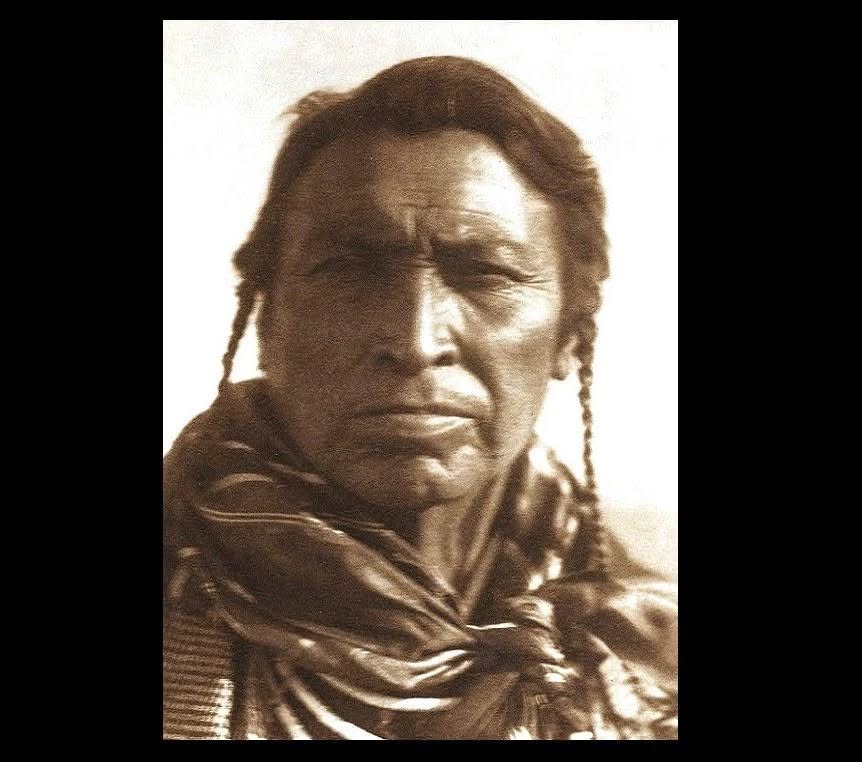
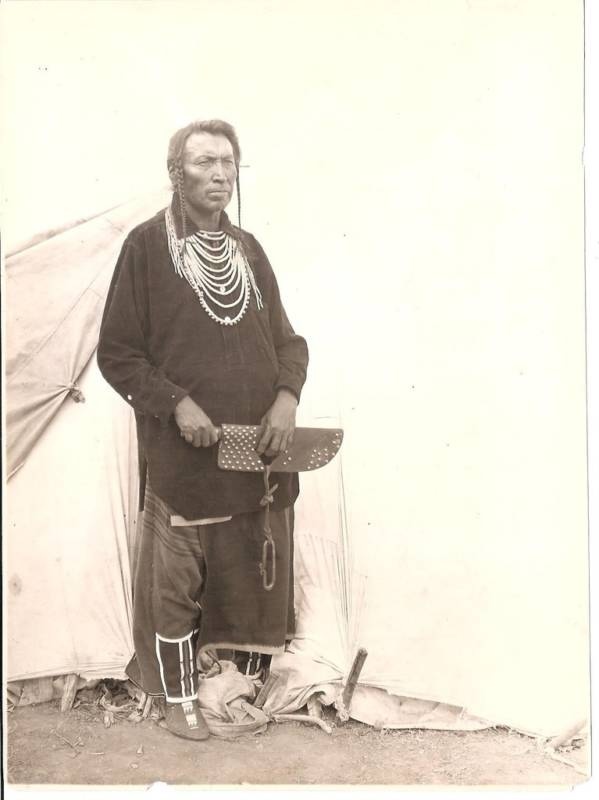
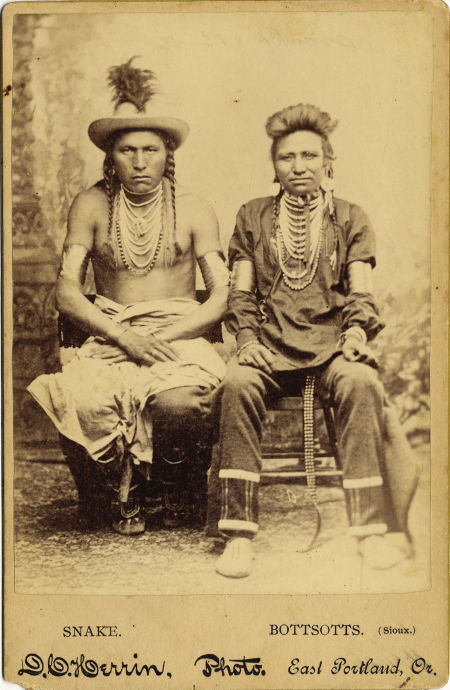
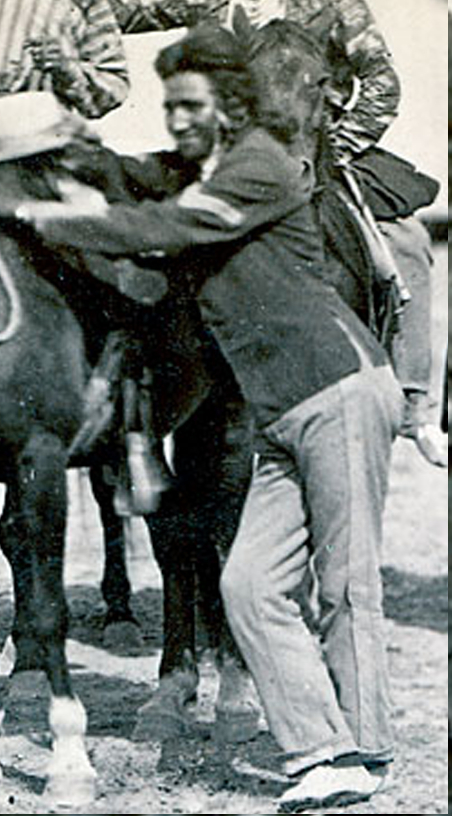
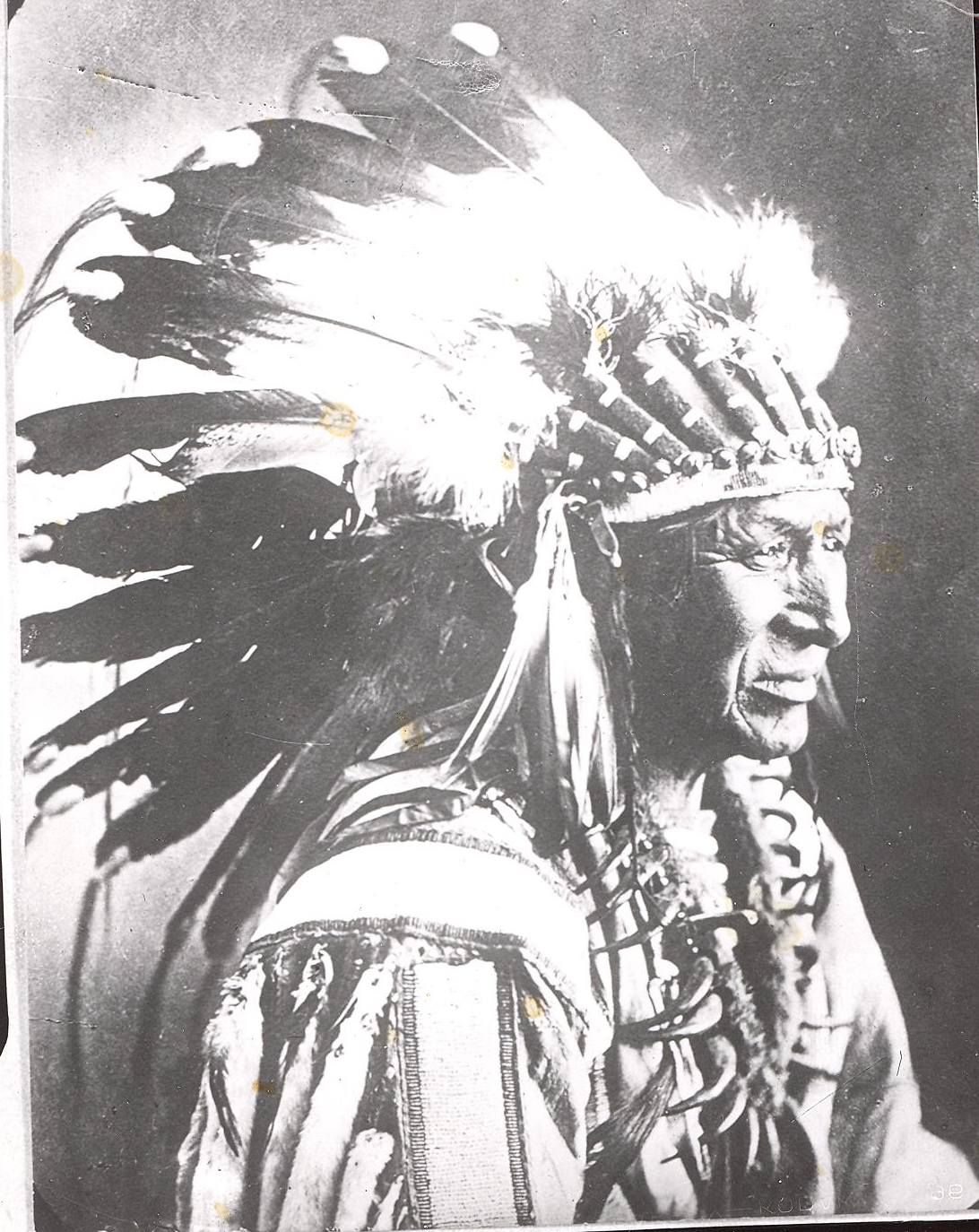
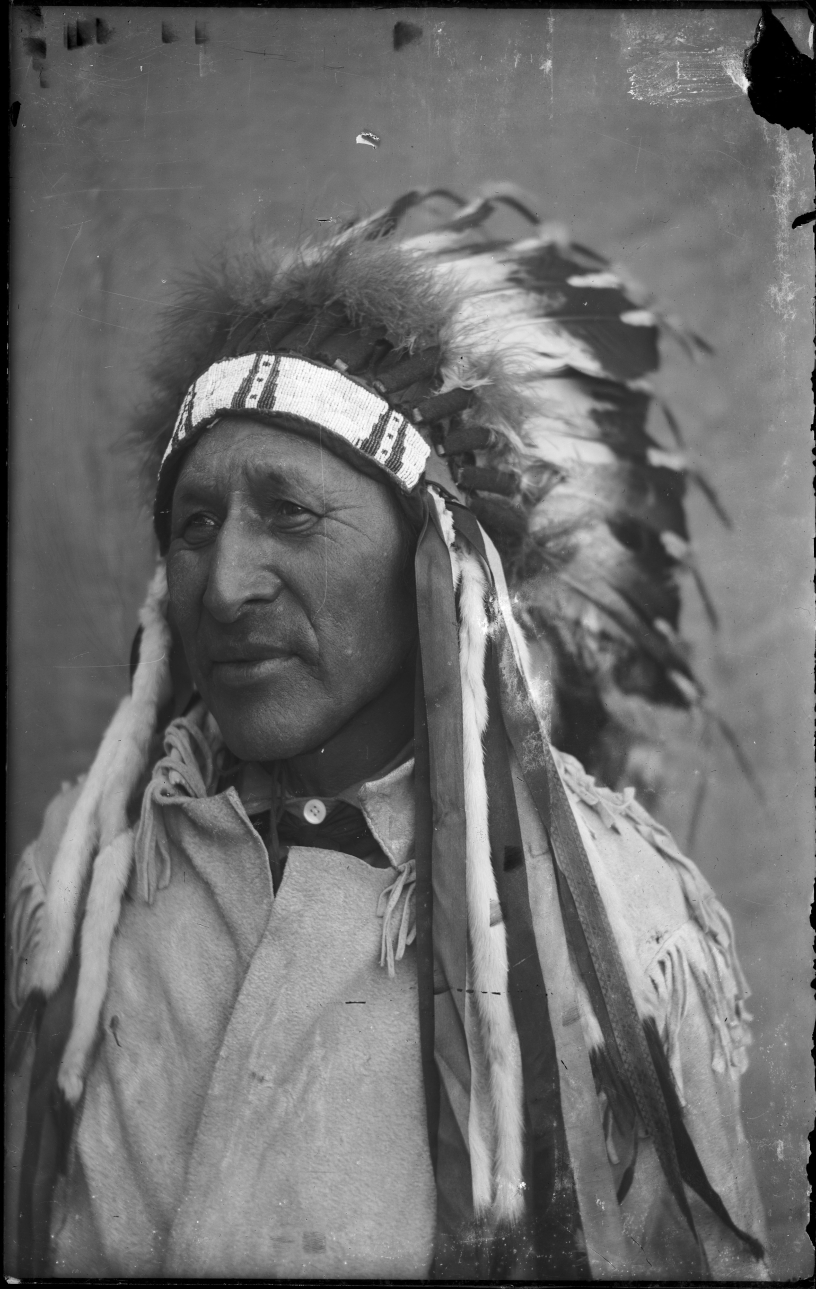
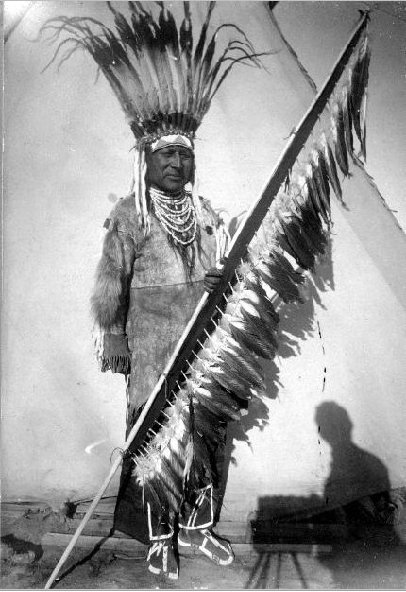
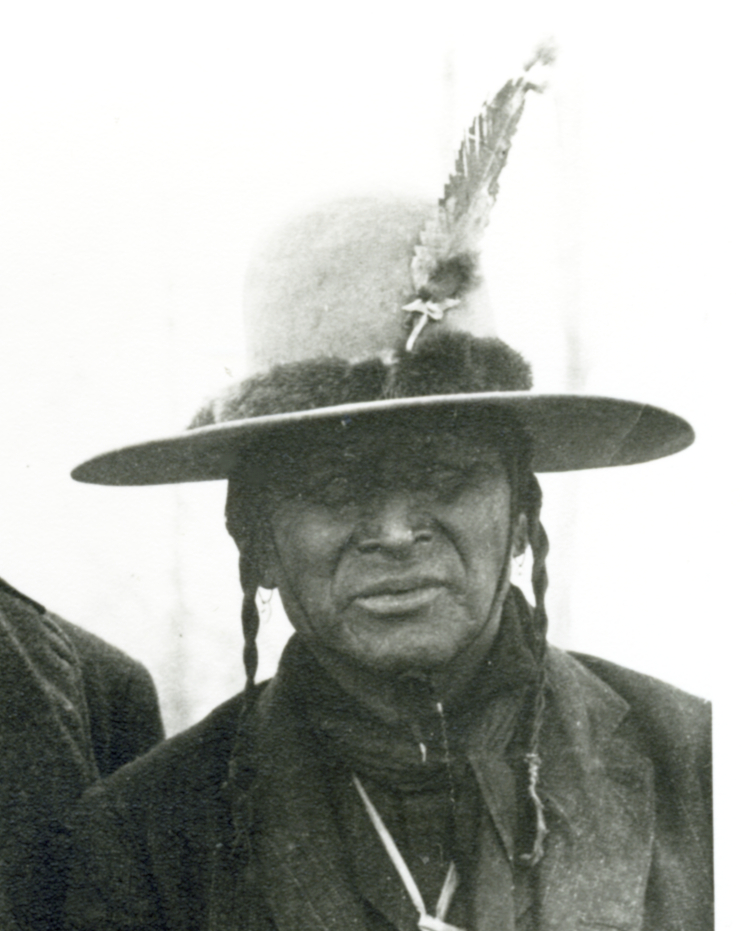
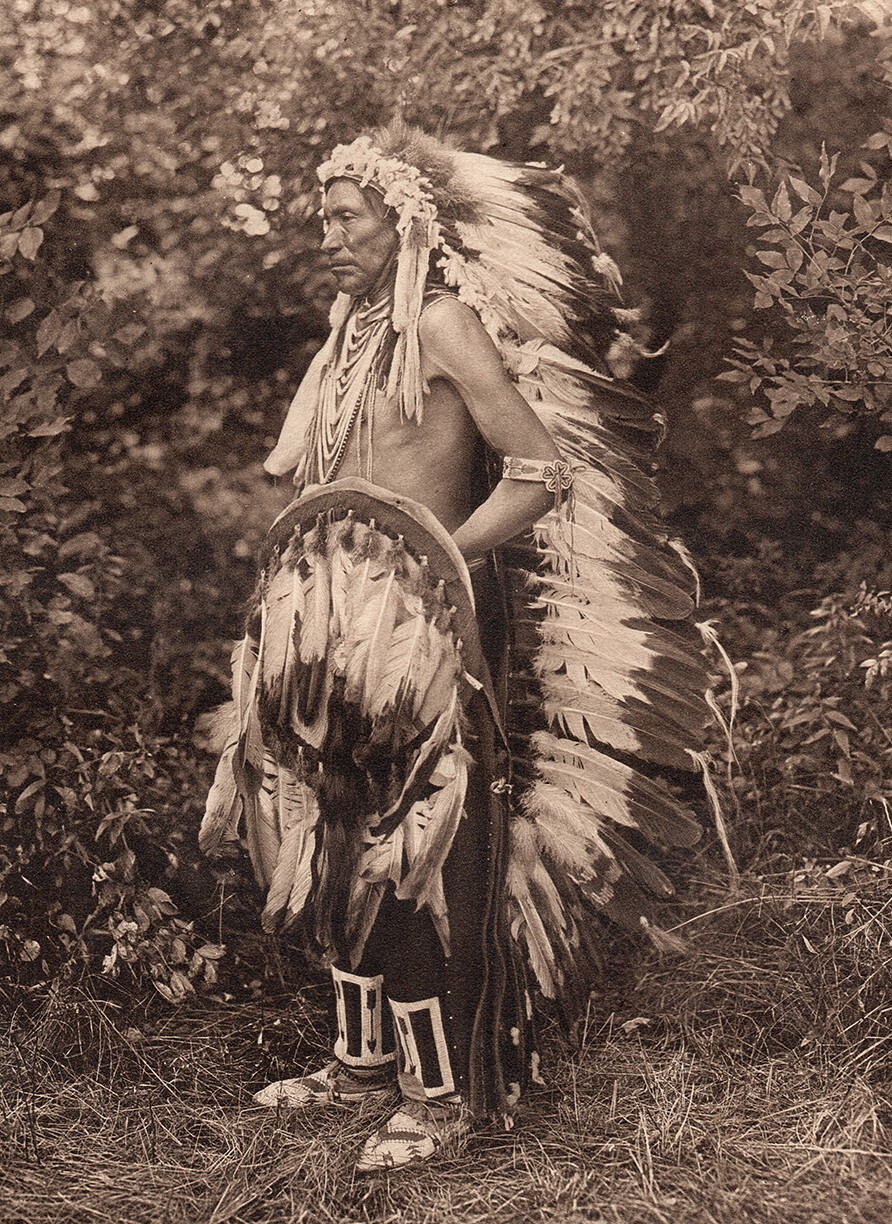
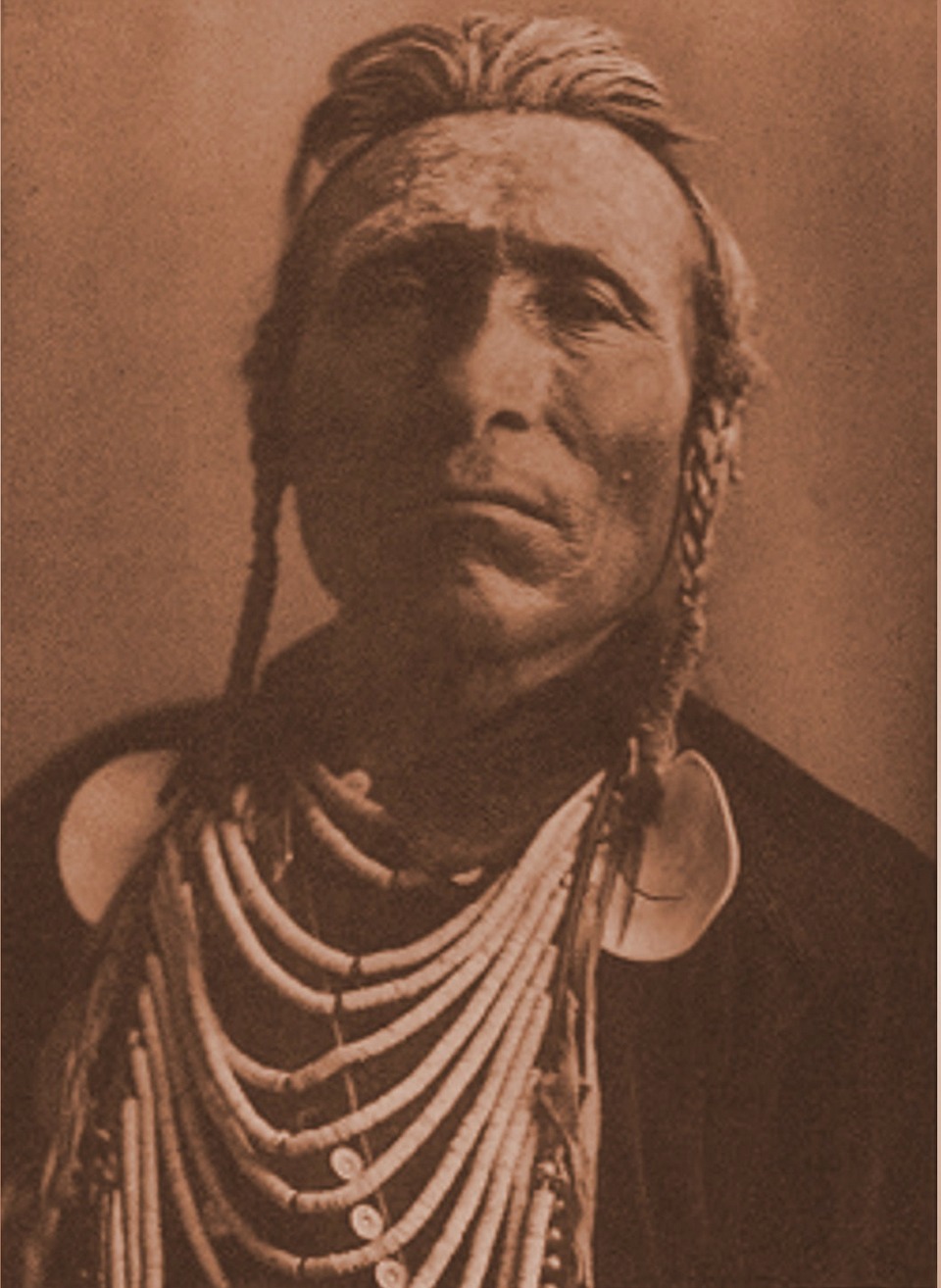
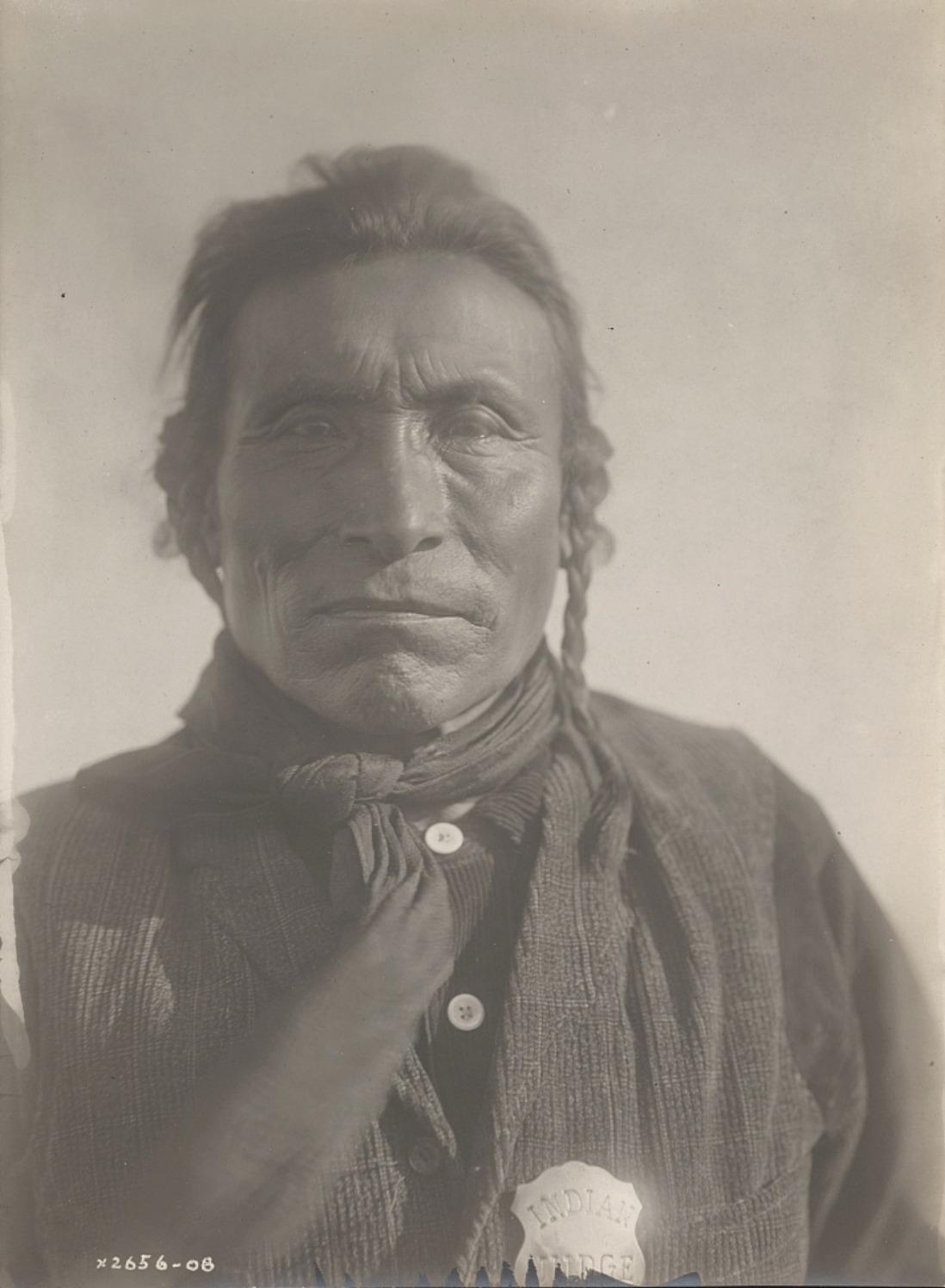
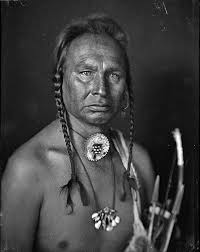
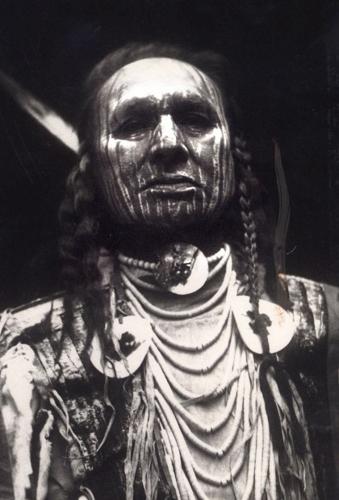
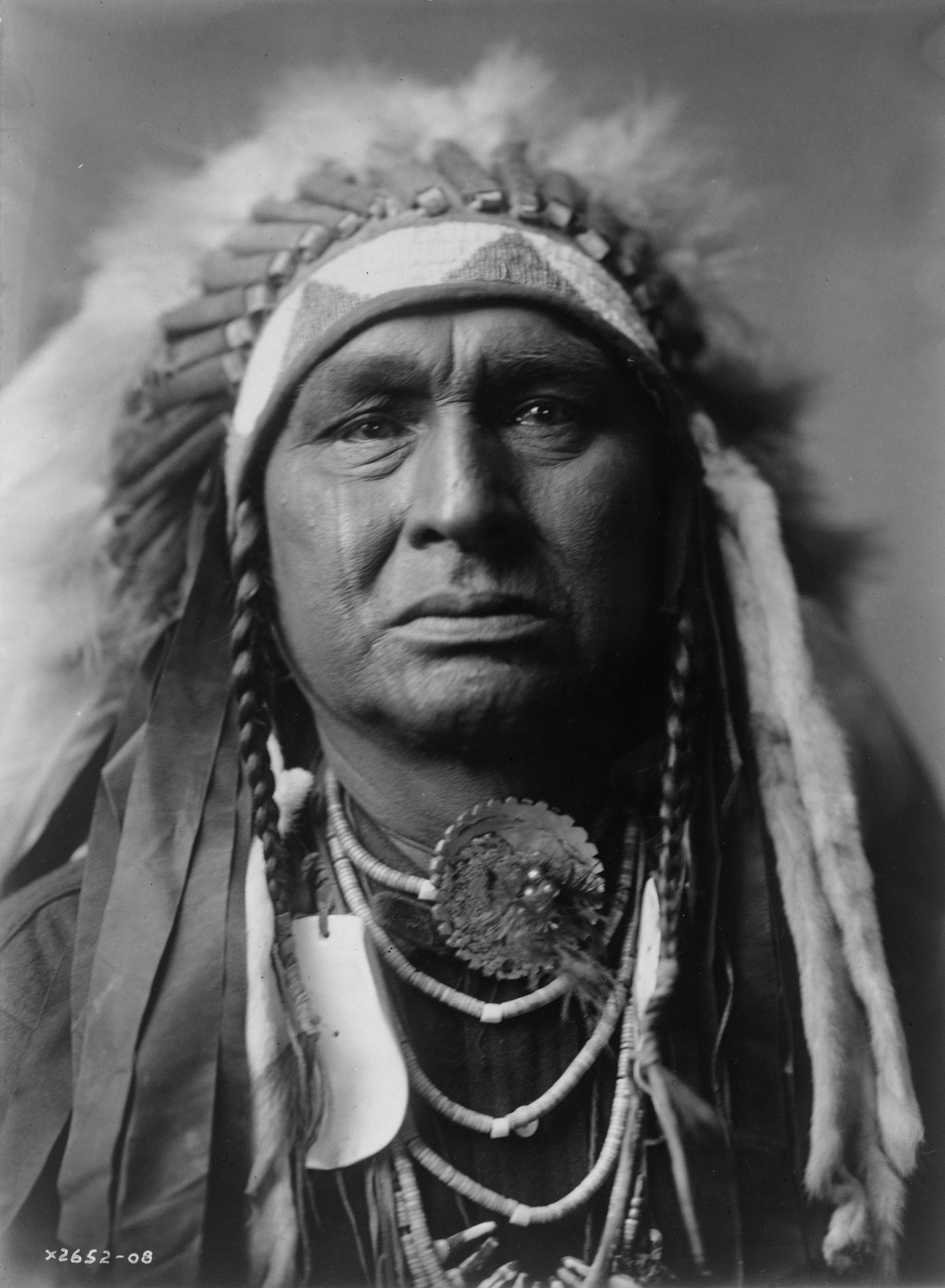
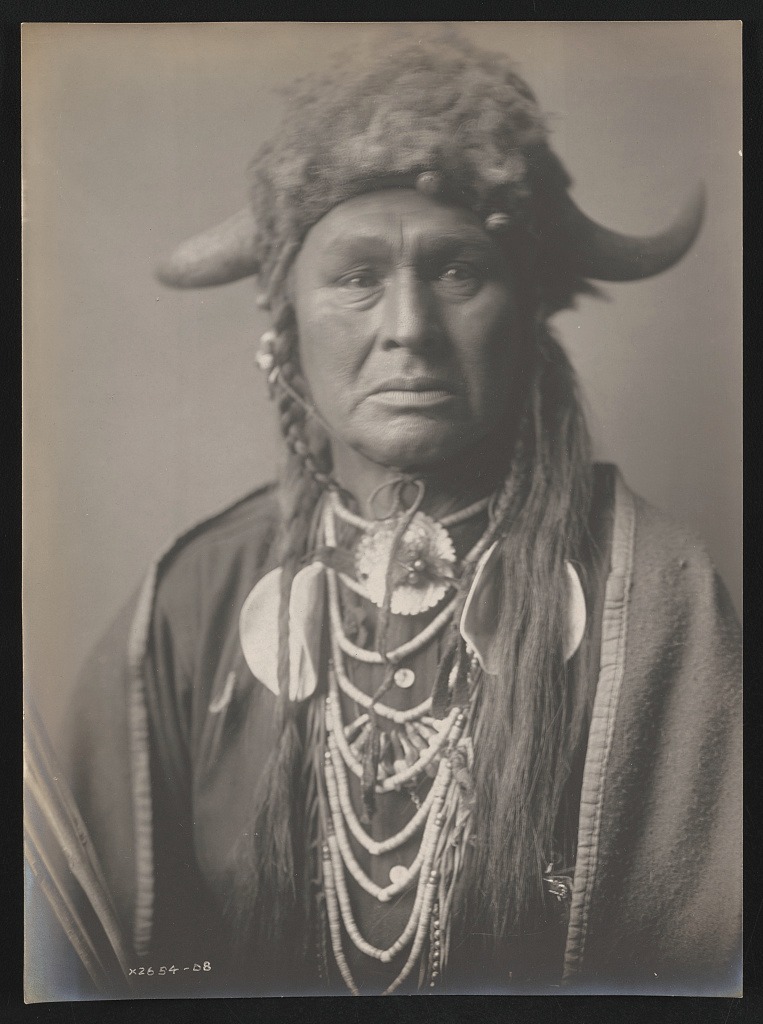
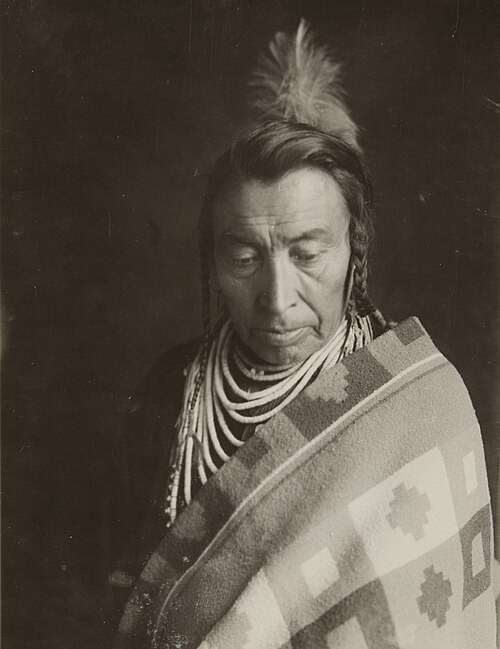
Photographs

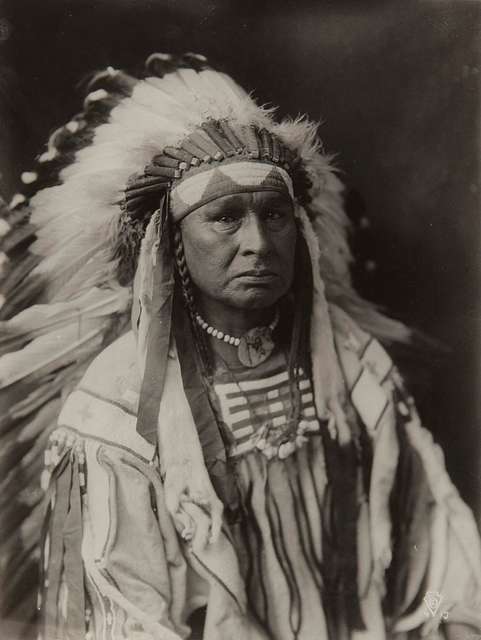
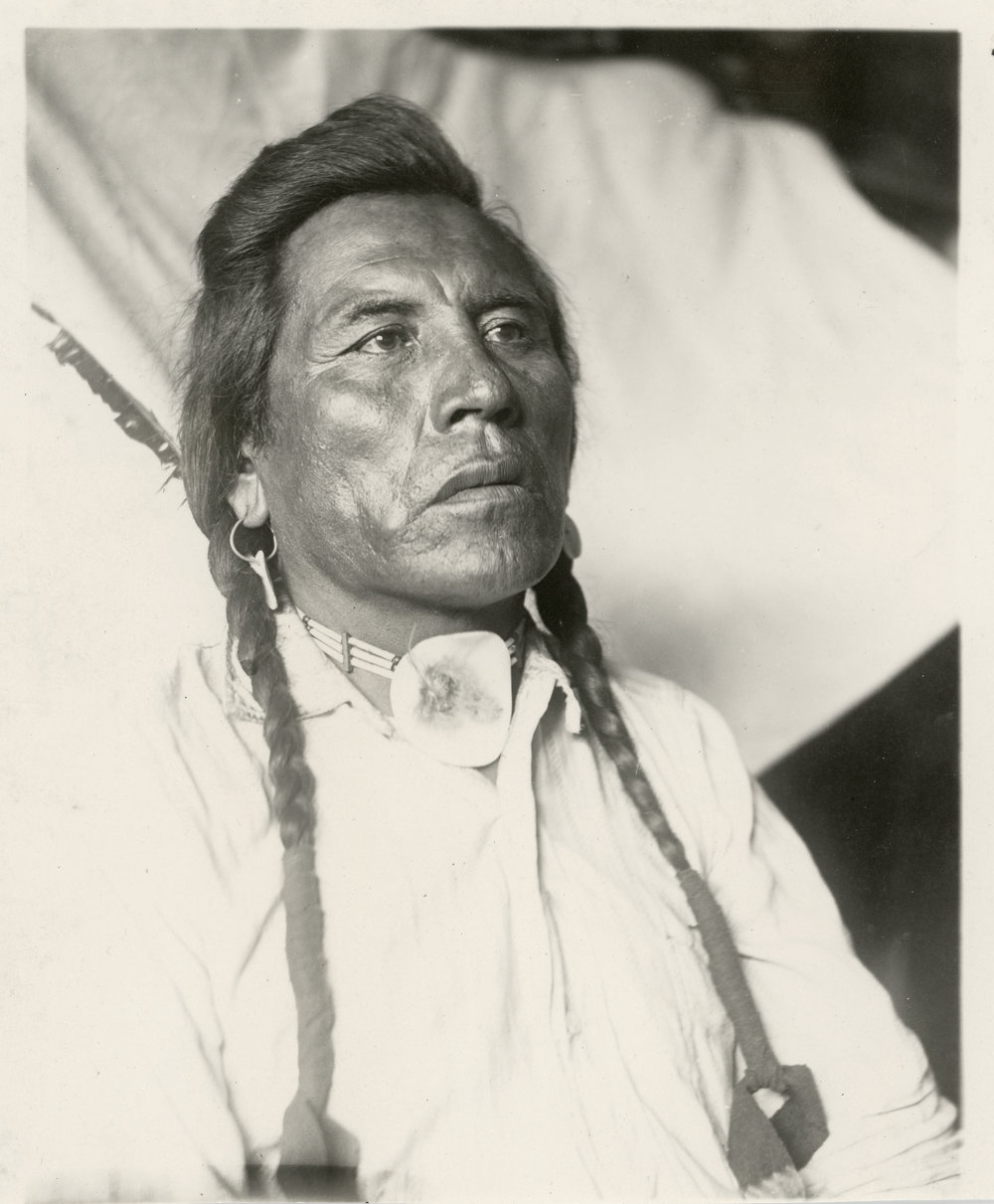
Hairy Moccasin
Hairy Moccasin — Richard Throssel Papers, 1902–1922
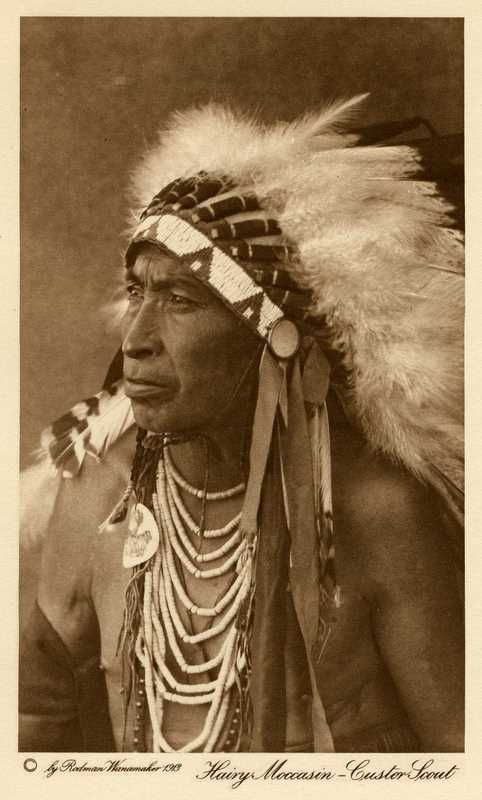
Hairy Moccasin
Hairy Moccasin — Edward S. Curtis, 1907–1908
Hairy Moccasin
Hairy Moccasin — Joseph K. Dixon, 1909
Hairy Moccasin
Hairy Moccasin — Archival collection
Half Yellow Face
Half Yellow Face — D. F. Barry, 1881–1883
Half Yellow Face
Half Yellow Face — Barry photograph (Smithsonian), 1881–1883
White Swan
White Swan — Rev. William A. Petzoldt, 1902–1904
White Swan
White Swan — Fred Miller, 1902–1904
White Swan
White Swan — Fred Miller Collection, 1902–1904
White Swan
White Swan — Coffeen photograph, 1903
Goes Ahead
Goes Ahead — Joseph K. Dixon, 1909
Goes Ahead
Goes Ahead — Edward S. Curtis, 1907–1908
Goes Ahead
Goes Ahead — Archival collection
White Man Runs Him
White Man Runs Him — Richard Throssel, 1902–1929
White Man Runs Him
White Man Runs Him — Archival collection
White Man Runs Him
White Man Runs Him — Edward S. Curtis, 1908
White Man Runs Him
White Man Runs Him — Edward S. Curtis, 1907–1908
White Man Runs Him
White Man Runs Him — Richard Throssel, 1913
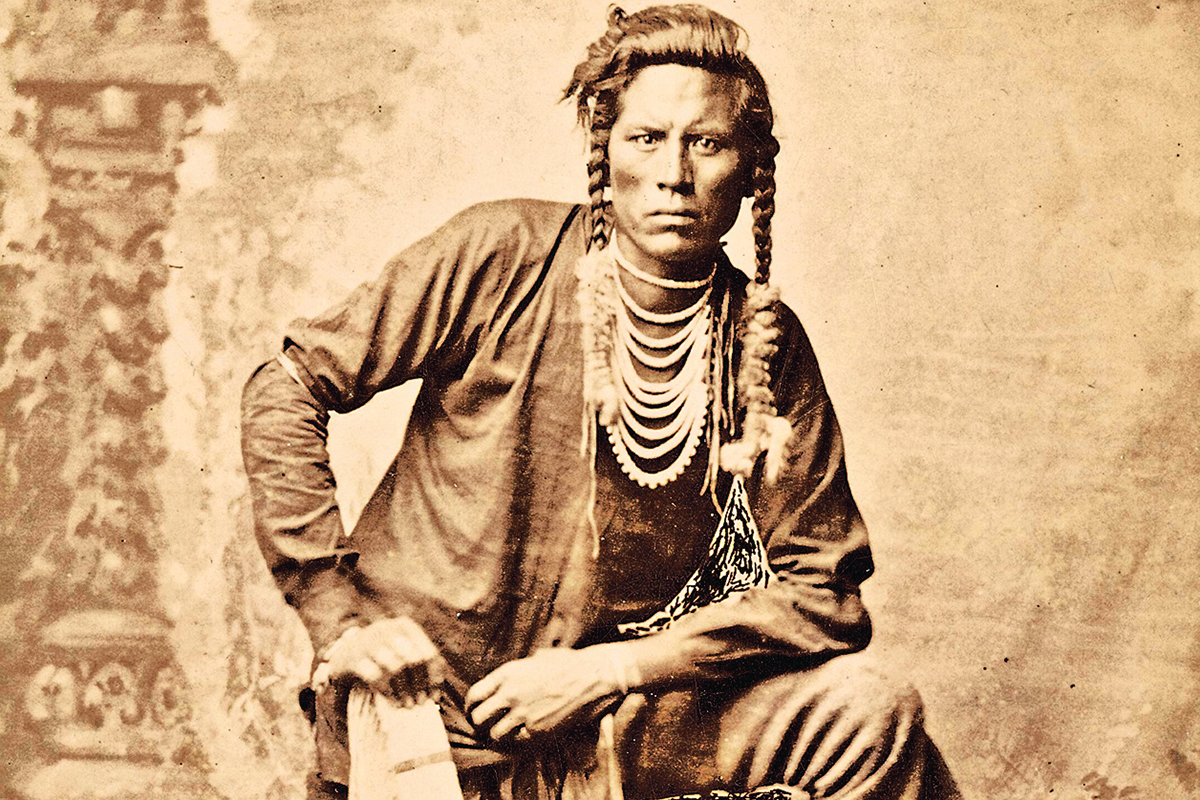
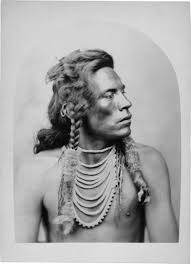
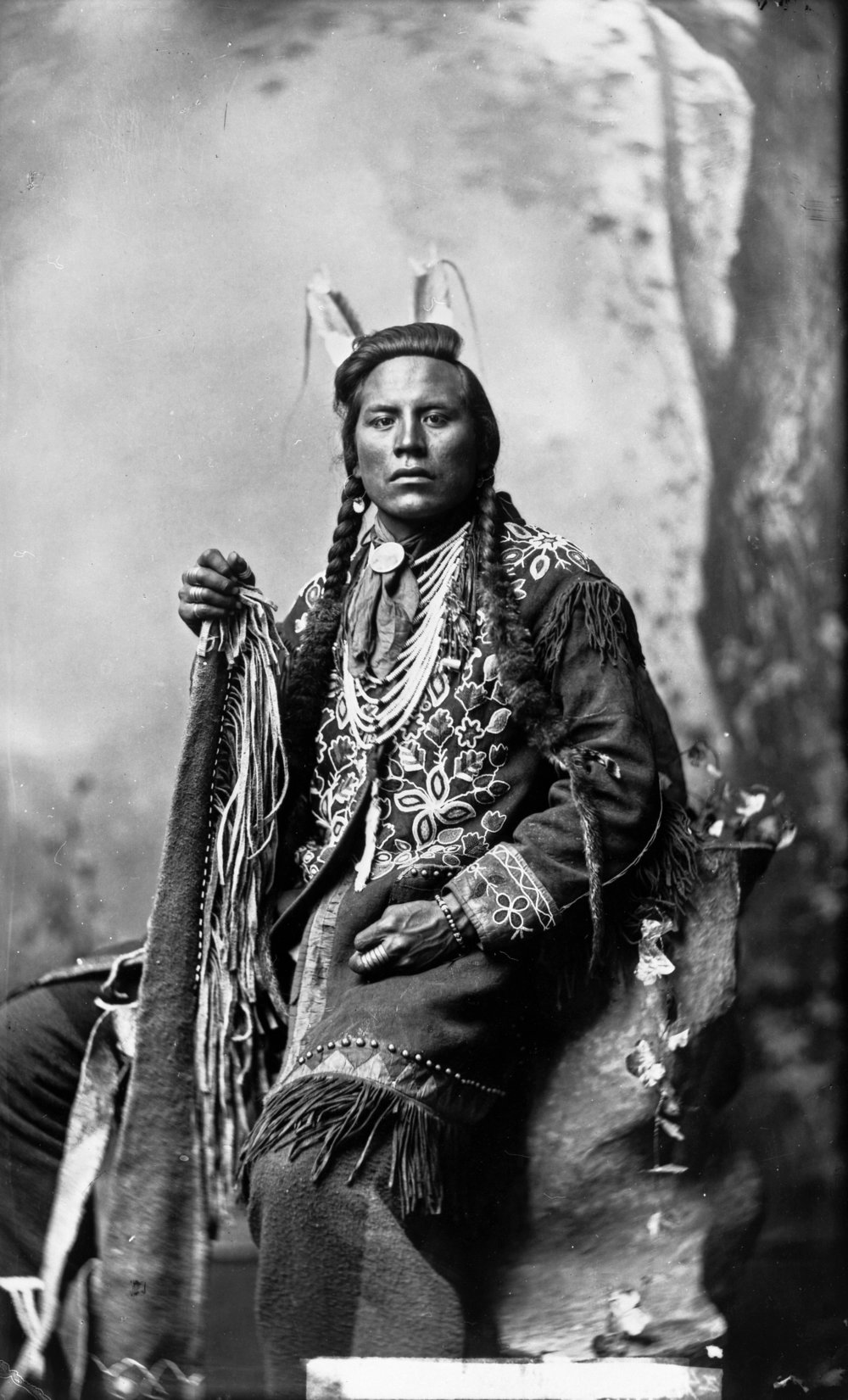
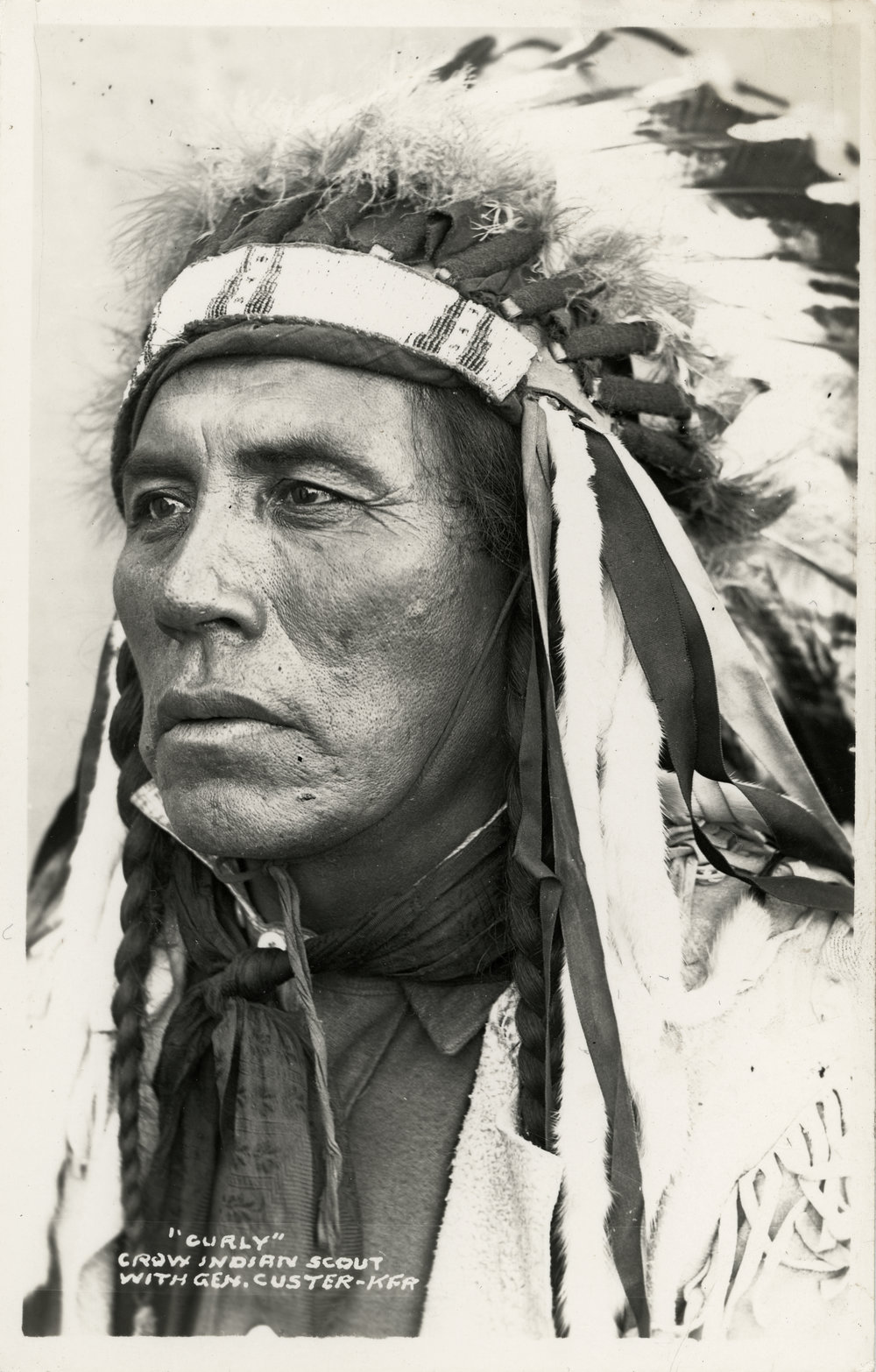
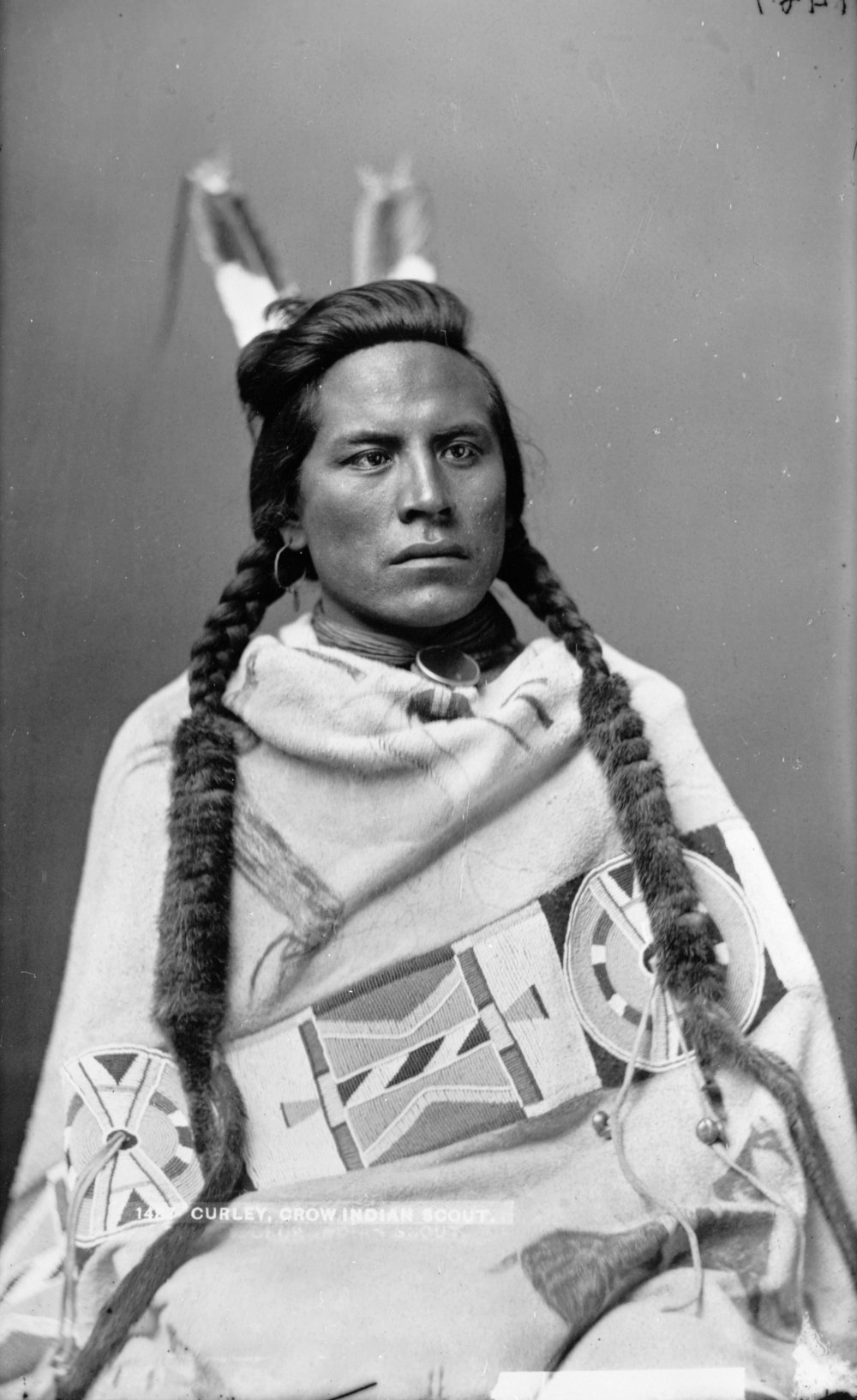
Curley
Curley — D. F. Barry Collection, 1881–1886
Curley
Curley — Fred Miller, c. 1898–1910
Curley
Curley — D. F. Barry, 1883–1886
Curley
Curley — Frank Jay Haynes, 1883
Curley
Curley — Fred Miller Collection
Curley
Curley — Frank Jay Haynes
Mitch Bouyer
Mitch Bouyer (Interpreter) — Archival collection
There is no consensus on the validity of this photograph.

White Swan Paintings

Primary Source

Original Ledger Art

These versions of White Swan’s ledger art depicts his actions during and after the Battle of the Little Big Horn campaign. Though the scenes vary in arrangement and detail, both paintings preserve White Swan’s visual account of the battle and its aftermath.

White Swan’s actions in the Little Big Horn Battle. University of Arkansas.
White Swan’s actions in the Little Big Horn Battle. Denver Art Museum.
Interpretation

Interpretive Ledger Art

These numbered versions of White Swan’s ledger art include interpretive scene identifications and descriptions developed by Colonel Rodney G. Thomas, U.S. Army, Retired. His work helps identify key moments, actions, and figures represented in the original paintings, offering additional context for understanding the events depicted.

University of Arkansas Version

  1. The Crow’s Nest where he saw the Lakota and Cheyenne village.
  2. His first coup. He carries a pennant flag of blue and red section and the number “7” is shown at the top, indicating Custer’s personal general officer colors from the Civil War. He carries the flag to help identify this as the Little Big Horn Battle. His horse is shown wounded twice, and the dots indicate intense gunfire.
  3. His second coup, and he dismounts to take a souvenir.
  4. His third and final coup before he is surrounded. His horse has been killed and he fights on foot. Behind him is the attacking Cheyenne warrior Brave Bear, whose lance glances off White Swan’s forehead. White Swan shows his leg wounds and his wrist and hand wound with the blood flowing from all three.
  5. He shows his evacuation by travois from Reno’s position on the ridgeline on the night of June 29th. Half Yellow Face had to guide the soldiers to where the Far West was waiting. The travois is covered as it was a stormy, rainy night.
  6. To help find the Far West that night as the column neared the mouth of the Little Big Horn, buglers sounded back and forth for directions.

Denver Art Museum Version

  1. Crow’s Nest.
  2. Evacuation scene, and this time the soldier leading the horse is also bugling the Far West for location. Incorporating two individual scenes into one as shown here was a form of “shorthand” that ledger artists used to compress composition.
  3. White Swan does not show his first coup in this painting. In this version of his second coup, his horse is not wounded.
  4. The Lakota-Cheyenne village apparently was not completed in this version. Some of his other works are also unfinished.
  5. Coup three and he is fighting afoot after his horse was killed.
  6. In this version, Brave Bear is charging directly at White Swan. The hand/wrist and leg wounds are again shown.
  7. White Swan signed his painting with his “name glyph” of a white swan. He signed only three of his creations in such a manner.

Battle Maps and Visual Resources

Campaign – Three-Pronged Movement (1876) Three-Pronged Movements in the Sioux Campaign of 1876, showing the columns of Gibbon, Terry-Custer, and Crook converging toward the Little Bighorn. Source: National Park Service
John S. Gray Map Depicts the approach to the Little Big Horn, tracing the movements of Custer, Reno, and Benteen along the river valleys and toward the battlefield from north of the Crow’s Nest. Converging toward the Sioux and Cheyenne villages in 1876 Source: Centennial Campaign: The Sioux War of 1876
Little Bighorn Battlefield National Monument Map Depicts the Little Bighorn Battlefield and surrounding area, illustrating troop movements, Indian encampments, and key locations based on modern historical interpretation. Source: National Park Service
Curley Map Depicts the battle of little big as drawn by Curley Source: MSU Billings Special Collections
Russell White Bear Map Compiled and drawn by Russell White Bear, this map presents a visual interpretation of the Battle of the Little Big Horn, including village layout, troop movements, and key moments of engagement. Source: Compiled and drawn by Russell White Bear
Secondary Source

THE 1876 CAMPAIGN OF LITTLE BIG HORN IN PROGRESSIVE MAPS

A sequence of progressive maps tracing the movements of the 1876 campaign and the approach to the Battle of the Little Big Horn.

Copyright Richard G. Newman 2022

Download PDF